Blog
Why Two Identical Bags Can Be Valued Differently
By
Asiya
| SEO & Content Strategist, Value Creation
Published on 25 Jan, 2026 |
Last updated at 25 Jan, 2026
Most valuation confusion doesn’t begin with disappointment.
It began with a pause.
A seller perceives two numbers for what they think is the same bag, and neither of them feels particularly wrong, but they are quite different.
The comparison of identical designer bags valued differently, but not in a dramatic fashion in any way.
The bag does not appear odd in any way.
Yet one clears quickly at a big figure, and the other stalls or settles for thousands less.
It’s at this stage that sellers start asking why two “similar” designer bags may have different values, even in cases when the brand, model, size and year are equal.
In luxury resale valuation, the answer isn't prejudice.
What buyers are actually pricing isn’t just the bag, it's the risk profile detailed to holding it next.
Once you know how such a risk is accumulated layer after layer, price differences will cease being arbitrary and begin to make sense.
Let’s talk about why designer bags have different prices.

The Core Misunderstanding Sellers Start With
Most sellers expect resale pricing to work like retail.
Same product = same value.
Such reasoning works in boutiques.
It doesn’t work on resale.
Luxury bag pricing is a stack, not a label. Brand and model establish the external limit, and all that follows is significant whether value holds, compresses, or silently erodes.
The Pricing Stack Buyers Actually Use
Consider resale value as a layered decision rather than a particular decision.
Base layer:
Brand + model determines the potential price scale.
Then risk gets layered on top:
Condition tier
Documentation and origin
Packaging fullness
Timing and the emerging market
Platform trust
Endeavor required after purchase
Two bags of the same name can fall into quite different risk categories, despite having a similar appearance in photos.
That’s where the price disparity starts.
Some of the designer bag resale value leaks we observe are the failure of sellers to be aware of where this stack works against them, which we break down in much more depth in our analysis of common mistakes to avoid when selling bags.

What Sellers Think vs What Buyers Actually See
Seller perspective:
“These bags are identical.”
Buyer perspective:
“One will be easy to resell. One won’t.”
Ease of resale is what gets priced.
Not the label alone.
Condition Is Not Descriptive It’s Mathematical
Bag condition impacts the price. Conditions are not opinion-based; they are converted into percentage bands.
In the case of high-demand bags, Hermès ,Chanel, and core Louis Vuitto,n the current resale activity is always within the following ranges:
One downgrade can squeeze value by 15_30 percentage points.
It is even in case the bag is otherwise the same.
This is where most of the sellers are blindsided. Two “used” bags can be similar to the owner, but will be in totally different pricing brackets after they are graded accordingly.

The Wear Buyers Punish vs What They Tolerate
Not all wear is dealt equally.
Wear That Gets Penalized Heavily
Structural flagging or out of shape
Indicates the upcoming cost of repair and resale challenge.
Bare corner or piping damage
Much flaunted and difficult to fix properly.
Cracked glazing
An obvious age symbol buyers identify with decline.
Firm odour (smoke, humidity, perfume)
Hard to remove and usually gives rise to authentication concerns.
Deep interior stains
Recommend long-term neglect, non-surface wear.
These problems signal future effort and expenditure to the subsequent purchaser.
Wear Buyers Usually Accept
Light corner rubbing is consistent with age.
Hairline hardware scratches from normal use
Natural patina development.
Small interior decoration of dark linings.
The distinction is simple:
Anticipated wear and actual damage.
Two “used” tags sharing the same label can end up 20-40% different simply based on which side of that line they fall.
Authentication & Provenance Quietly Raise the Ceiling
Authentication isn’t binary. It’s a confidence multiplier.
Bags with visible serials or RFID, original receipts, extensive history of documented brand spa are consistently fetching better clearing prices, particularly on collector-grade models.
In comparison, Undocumented third-party repairs or ambiguous history compel buyers to price defensively even if the bag may appear “better” at first glance.
This can be judged quite well when comparing iconic products among the brands such as Louis Vuitton, Chanel, or Hermès. Laying it on the line lowers indecision, and hesitation is expensive.
Packaging Isn’t Decoration — It’s Risk Reduction
In the case of the investment-grade bags, presentation is not as important as completeness.
High-Impact Items (Can Narrow Buyer Pool by 30–40%)
Lower-Impact Items (5–10% Lift Within Tier)
Box, care booklets, shopping bag, dust bag.
These tend to provide value at the same level of condition, and hardly upgrade a battered bag to a superior one.
That’s why the slightly worn full-set bag could work better than a cleaner but incomplete twin.

Before vs After: How Small Differences Create Big Gaps
Same model.
Different risks.
Very different result.
Timing: Same Bag, Different Month, Different Outcome
Markets don’t stand still.
Retail prices raise lift resale ceilings.
The inventory surge squeezed them.
A bag sold in the aftermath of a brand increase and then the inventory overloaded the market typically sells much better than the same bag when listed several months later.
Time-on-market works silently against sellers.
Stale listings welcome negotiations, price cuts, and bargaining power.
This trend is evident in the estimation of the Louis Vuitton resale value in the various cycles.
Platform Choice Determines Who Prices the Risk
The location of the sale of the bag determines who absorbs uncertainty.
Instant buyout:
Reduced cost, quicker assurance. Buyer absorbs risk.
Consignment:
Increased potential, extended time frame. Risk shared.
Peer-to-peer:
The buyer absorbs all of it, thus they discount fiercely.
Even the same bags can receive entirely different prices depending on channel choice, something we discuss in the basic guide to selling designer bags and when deciding whether to sell or consign.
Buyer Psychology Is the Invisible Multiplier
Luxury buyers don’t just price leather alone.
The price:
Regret risk
The post-purchase effort.
Ease of future resale
Confidence that they can move out later
Complete, well-documented bags feel difficult to replace.
uncertain ones feel like work.
That perception alone can move offers significantly.
Why Brand Sensitivity Magnifies Differences
Hermès and Chanel are enduring because purchasers can afford to be picky.
Almost perfect situations get rewarded.
Noticeable wear gets criticised quickly.
Louis Vuitton acts in a different way, with higher volume, increased liquidity, but is less lenient with common models with flaws.
That is why certain bags feel valuable but don’t work as the actual resale values, which we can discuss in best designer bags to invest in.
Dubai-Specific Reality Sellers Often Miss
Dubai is not a lenient resale market.
Buyers here are:
Highly authentication-focused
Internationally price-aware
Used to a variety of choices
Fast to correct overpricing
DIY Repairs are punished 20-30% quicker.
Odour and humidity damage matter more.
Documentation fetches inordinate weight.
This is the reason why two bags diverge faster here compared to slower markets.
Get to know about why Dubai’s elite choose Value Creation or explore our sell designer bags service.
Decision Matrix: What Actually Drives Price Gaps
Critical point: Sellers control more of this stack than they expect.
FAQs
Why do identical bags get different offers?
Due to the buyer's price condition, documentation, timing, and risk are not labelled.
Does a full set really matter?
In the case of Hermès and Chanel, gaps in the products can reduce the range of buyers by 20_30%.
Can repairs increase value?
Brand spa work can safeguard value. Undocumented third-party repairs generally decrease it.
How much does timing matter?
Inventory level and market cycles by a margin of 10-20% may vary for the same bag.
Why does Dubai pricing move faster?
Corrections are faster due to increased inventory flow, increased norms of authentication, and global price awareness.
The Takeaway Sellers Miss
Two similar bags will hardly be the same assets.
Once sellers know how condition compresses value, how documentation lifts the ceiling, how timing shifts influence, and how buyers price risk, that differences in prices are no longer resented.
They start feeling logical.
And the designer handbag resale value is what can be secured before it fades away silently.
More in The Journal
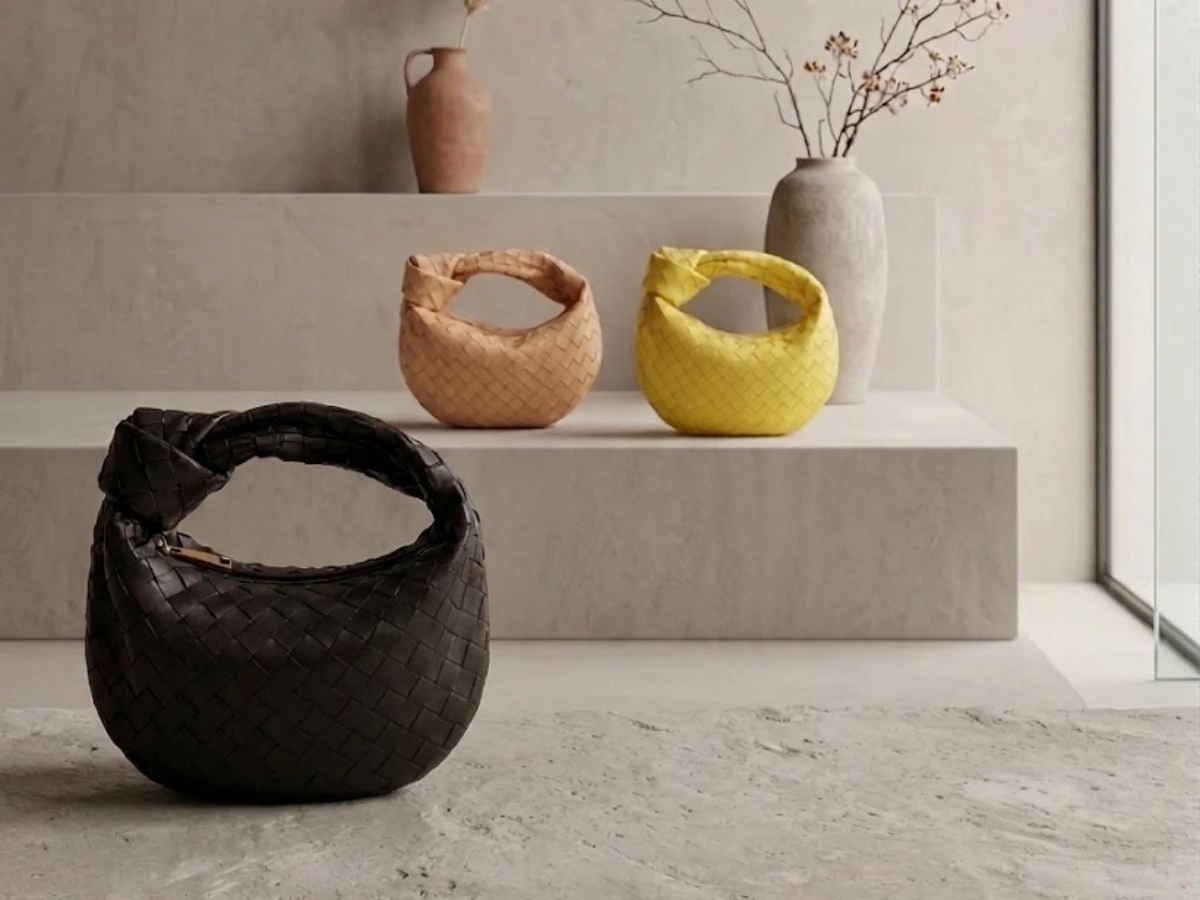
Bottega Tosca vs Jodie Mini

How Can You Tell If A Burberry Bag Is Real

Real vs Fake Burberry