Blog
Ramadan Luxury Resale in Dubai
By
Asiya
| SEO & Content Strategist, Value Creation
Published on 25 Feb, 2026 |
Last updated at 25 Feb, 2026
Ramadan also influences how resale is decided in Dubai, but not how value is calculated. There are year-round standards for condition, authenticity, and verification, but Ramadan shifts the timing, buyers’ philosophy, and the emphasis placed on various categories.
This guide educates buyers and owners about the Ramadan luxury resale Dubai and the UAE, and helps them counter misunderstandings arising from fluctuations.
How Ramadan Changes the Resale Rhythm (Not the Rules)
Sell jewelry in Ramadan, Dubai; can be less impulsive, though browsing (especially via mobile) often occurs during the day. Serious price negotiation, viewings, and confirmations are more common after iftar.
It does not increase demand, but filters it: buyers’ expectations are higher, and presentation (how an offer is structured or how something is uploaded) matters. Items meeting expectations sell more quickly; others are often put off until after Eid.

Buyer Behavior During Ramadan in the UAE
Evening-Centered Decision Making
In Dubai, the majority of luxury resale purchases during Ramadan occur after 8:00 pm and before 11:00 pm, when consumers browse during the day and confirm and visit showrooms after sundown.
Buyers can browse photos, create a shortlist, and schedule an appointment to view the property, often for later that evening or the next day.
Dubai resale evaluations during Ramadan may begin with photos taken during the evening fast, followed by assessments of the item’s condition, size, and presentation.
What Buyers Prioritize During the Holy Month
People in Dubai celebrate Ramadan by exchanging gifts with their family members. The resale market experience expects these buyers to acquire their products from two specific resale locations.
Buyers typically prioritize
Gift-ready presentation
Verifiable authenticity
New-like or near-pristine condition
Immediate availability
The market defers all items that show visible wear or are missing parts until after Eid, as their price does not matter.
This behavior reflects broader resale psychology discussed in resale value expectations, where condition perception directly influences buyer confidence.

Category Demand During Ramadan
Jewelry Leads Ramadan Resale Activity
The most significant portion of the Ramadan luxury resale market activity in Dubai is jewelry sales. The category maintains its highest seasonal presence because customers find its portable design, clear hallmark verification, and family-gifting capabilities practical.
Buyers typically look for pieces that.
Can be worn or gifted immediately
Require minimal resizing
Present cleanly for family gatherings
The process starts with buyers evaluating the available jewelry selection on curated pages before requesting specific jewelry items.
Watches Follow With Inspection-Led Demand
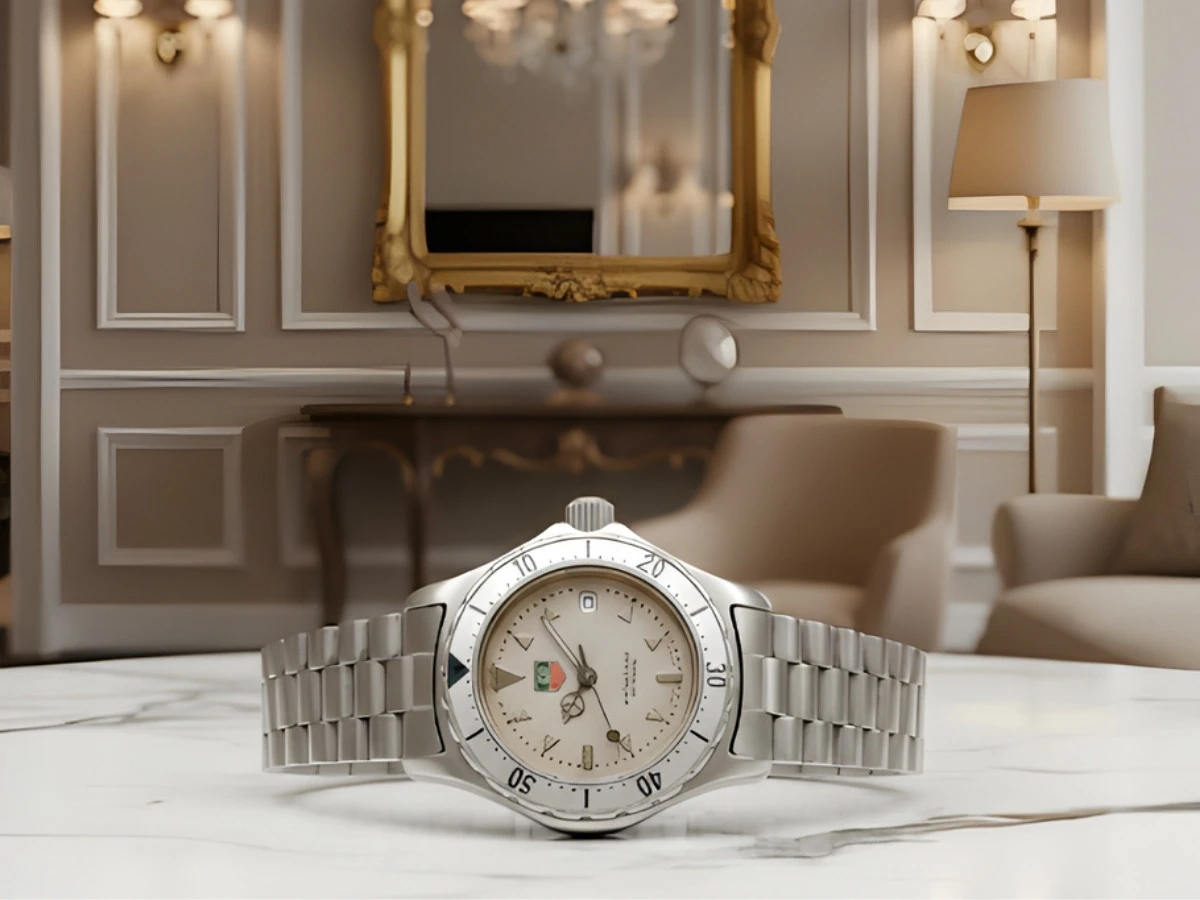
Ramadan watch resale is usually tied to professional and business gifting around iftar gatherings. Watches rank second among the largest resale categories during Ramadan.
Despite steady interest, buyers remain inspection-driven, placing more importance on completeness, condition, and reference verification than on speed. Online browsing often acts as an initial filter before an in-person inspection.
Bags Play a Secondary, Selective Role
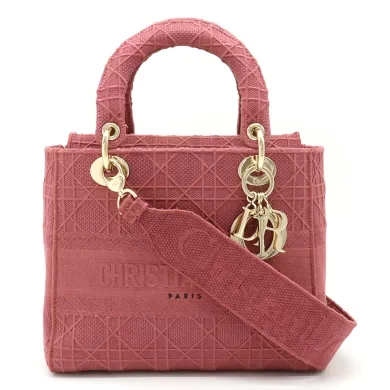
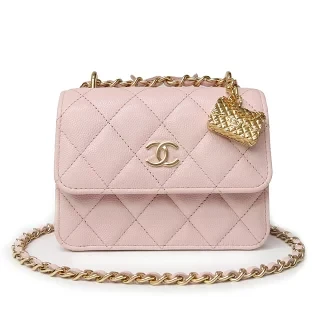
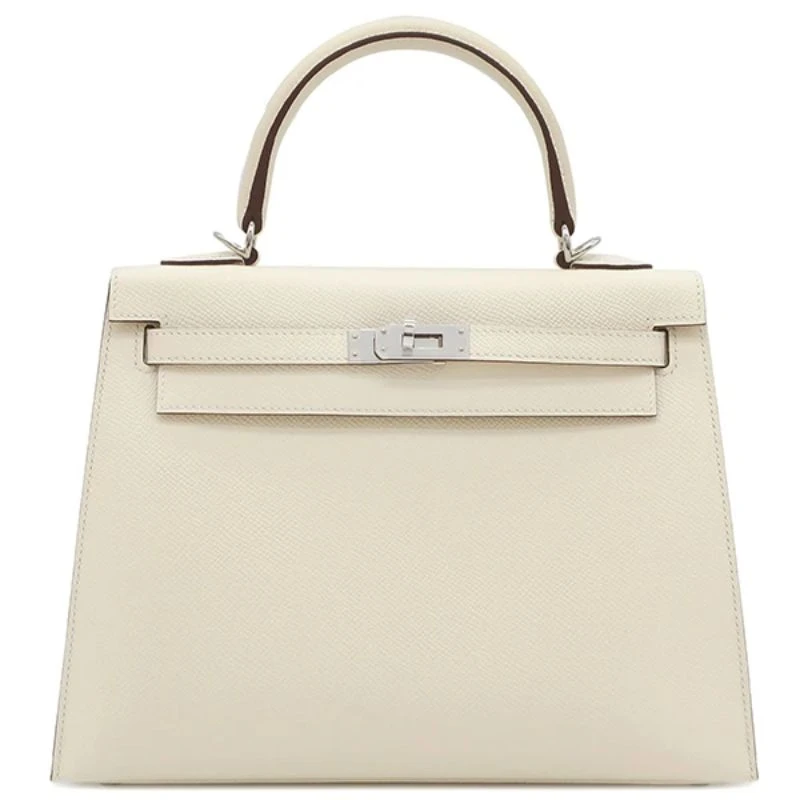
In the UAE, luxury resale Ramadan market, bags make up a smaller portion of resale activity. They are usually bought to match Eid outfits, not for gifting. Buyers are very sensitive to condition, and even small flaws can affect the decision to buy.
The results fit common patterns observed in selling luxury items locally in Dubai, as business performance depends on local evaluations and product delivery times.
Seller Behavior Before, During, and After Ramadan
Typical Selling Timeline
The period after Eid sees multiple vendors turning their unused presents and surplus products into money, which they accomplish before the start of summer travel preparations.
Why Local Evaluation Is Preferred During Ramadan
During Ramadan, merchants choose to sell their products through local markets rather than using international or mail delivery systems. The remote procedures become more difficult to use due to shipping delays, heat exposure, and unpredictable timing.
The evaluation process starts with photo documentation and ends with physical assessment, which takes place on the same day or the following day. The post-Eid period requires immediate access to goods for sellers who operate during this time.
Some owners select to learn about how to sell designer jewelry locally before making their timing decision.

Pricing Behavior During Ramadan
Resale prices do not increase during Ramadan because the holiday exists. The demand for particular items establishes the pricing system that operates during this time.
Buyers show willingness to pay a small extra cost when they encounter products that possess:
exceptional condition
complete presentation
gift-ready availability
Products that do not meet this standard will lose market appeal with all potential customers, regardless of price. The sellers who must choose between fast selling and high earnings continue to assess the benefits and drawbacks of instant cash vs. consignment timing.

Online Review vs Physical Inspection
The online listings that operate during Ramadan primarily serve to display existing categories, but do not provide final decision-making support. The visual materials enable buyers to create a shortlist of products that they want to assess, yet they must conduct inspection work.
In practice
Online review narrows choices
Physical inspection confirms condition and presentation
The majority of transactions in Dubai still require buyers to inspect items in person at the store, which becomes even more necessary during Ramadan. Buyers use the evening to visit the UAE showroom after they establish trust in the product’s compatibility.
Cultural and Practical Context in the UAE
The Ramadan resale process requires merchants to conduct their business activities with discretion while showing respect. The standard evaluation process uses private assessments, which include conservative methods and fasting time restrictions.
The post-Eid period sees some sellers liquidate assets to fund travel expenses, school payments, and charitable donations, creating a short selling period after Eid.
Frequently Asked Questions
Does Ramadan increase luxury resale prices in Dubai?
Not broadly. Buyers may accept slight premiums for pristine, gift-ready items, but pricing discipline remains consistent.
Is it better to sell before or after Ramadan?
Many sellers see stronger liquidity after Eid, when volume increases, and flexibility improves.
Why does jewelry outperform bags during Ramadan?
Jewelry is easier to gift, verify, and present. Bags are more condition- and style-sensitive.
Can resale transactions be completed online during Ramadan?
Most begin online and finalize in person after inspection.
More in The Journal
Buy Pre-Owned Designer Bags Online Dubai - Safe Checklist

Top 5 Luxury T-Shirts Brands