Blog
How Brand Hierarchy Affects Resale Value
By
Asiya
| SEO & Content Strategist, Value Creation
Published on 02 Feb, 2026 |
Last updated at 02 Feb, 2026
Have you ever wondered why some luxury bags remain liquid while others drop quickly?
Not every luxury brand resells its products in the same manner.
Retail prices of two bags may be equal.
One is easy to sell and near its peak, while the other struggles even in a good state.
Authenticity or performance does not usually create a difference. It’s the brand’s hierarchy.
Brands in resale occupy an unwritten, yet familiar, pyramid that influences the demand, pricing elasticity, and the extent to which consumers are ready to wear it.
When you get acquainted with this structure, resale results no longer happen by chance.

What does “brand hierarchy” mean in resale?
Brand hierarchy is a concept used in the resale market to define the strength of a brand with respect to its ability to hold demand independent of fashion.
Higher-tier brands:
Maintain customer excitement through market cycles.
Lower prices before they lose customers.
Are classified as long-term assets.
Inferior or trend-following brands:
Rely much on fashion cycles.
Demand diminishes fast when the trend goes away.
Prices decline further when inventory accumulates.
You can spot hierarchy easily in resale sites, through market analysis, and by comparing prices. This justifies that hierarchy is not just a theory.
The resale brand hierarchy (simplified)
According to regular trends in the industry, brands in the market have four resale levels:
This structure justifies the fact that two bags of similar conditions may have very different performances after listing.
Why top-tier brands behave differently
Buyers present at the higher levels of hierarchy consider bags as liquid assets rather than fashion items.
For ultra-tier brands:
Buyers expect that their bags will resell in the future.
Demand is even seen in soft markets.
Price is influenced by condition, not liquidity.
That is why Hermes bags still trade at an active pace even when they have visible wear as opposed to brands that cannot cope in such circumstances.

Condition tolerance changes by brand tier
Among the most obvious effects of hierarchy is the degree of wear acceptance by buyers.
This is the reason why sellers tend to be appalled when a mid-tier bag in good condition fails, and a top-tier bag with visible usage also gets buyers.
Brands that fall out of resale demand fastest
One of the aspects of hierarchy that is highly ignored is the speed of dropout.
Factors affecting the resale value of some brands are changing trends, stock accumulation, or stock depletion.
Patterns supported by industry commentary show that:
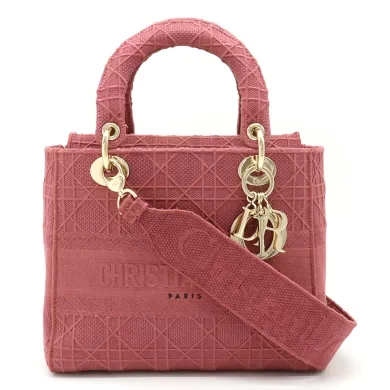
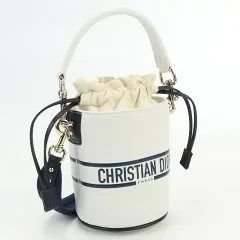
Gucci, Prada, and Dior models driven by the trend become liquidated most quickly.
Most affected are seasonal or logo-heavy items.
As soon as the demand declines, prices are lowered rapidly.
This does not imply that these brands have no value; it implies that their resale time is shorter.
Knowing this helps sellers not to wait too long and lose bargaining power.
Same brand, very different resale outcomes (model matters)
The level of hierarchy does not stop at the brand level.
The model of the product within the same brand can be more important than the brand strength itself.
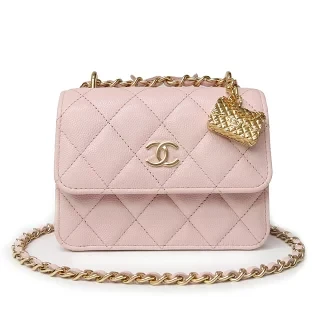
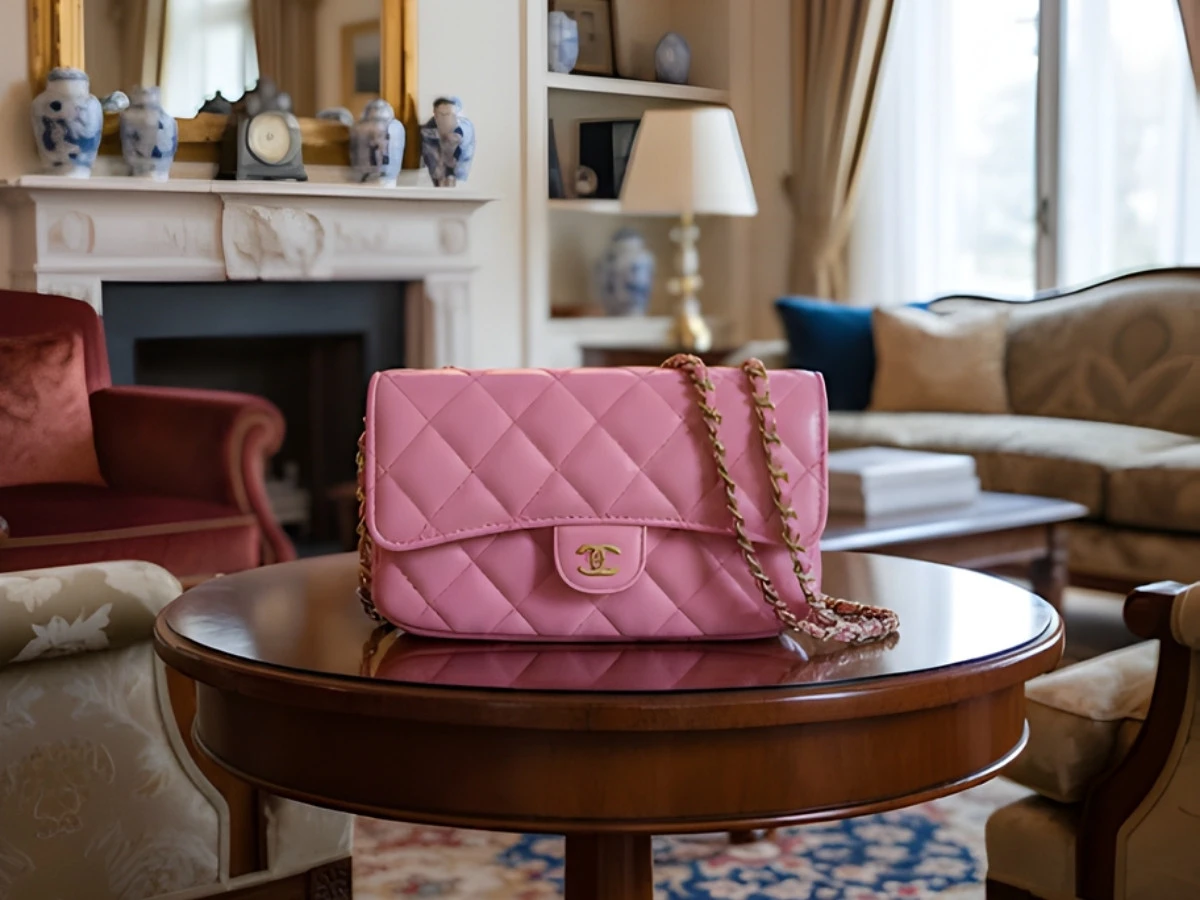
This is the reason that sellers raise this objection at times, “But it’s Chanel — why is the offer low?”
In most instances, the solution is model positioning rather than brand weakness.
To take a closer look at which pieces are invariably doing well, this breakdown of the best designer bags to invest in displays the pattern accurately.
Authentication pressure increases with brand tier.
Hierarchy also influences the process of examination of authentication.
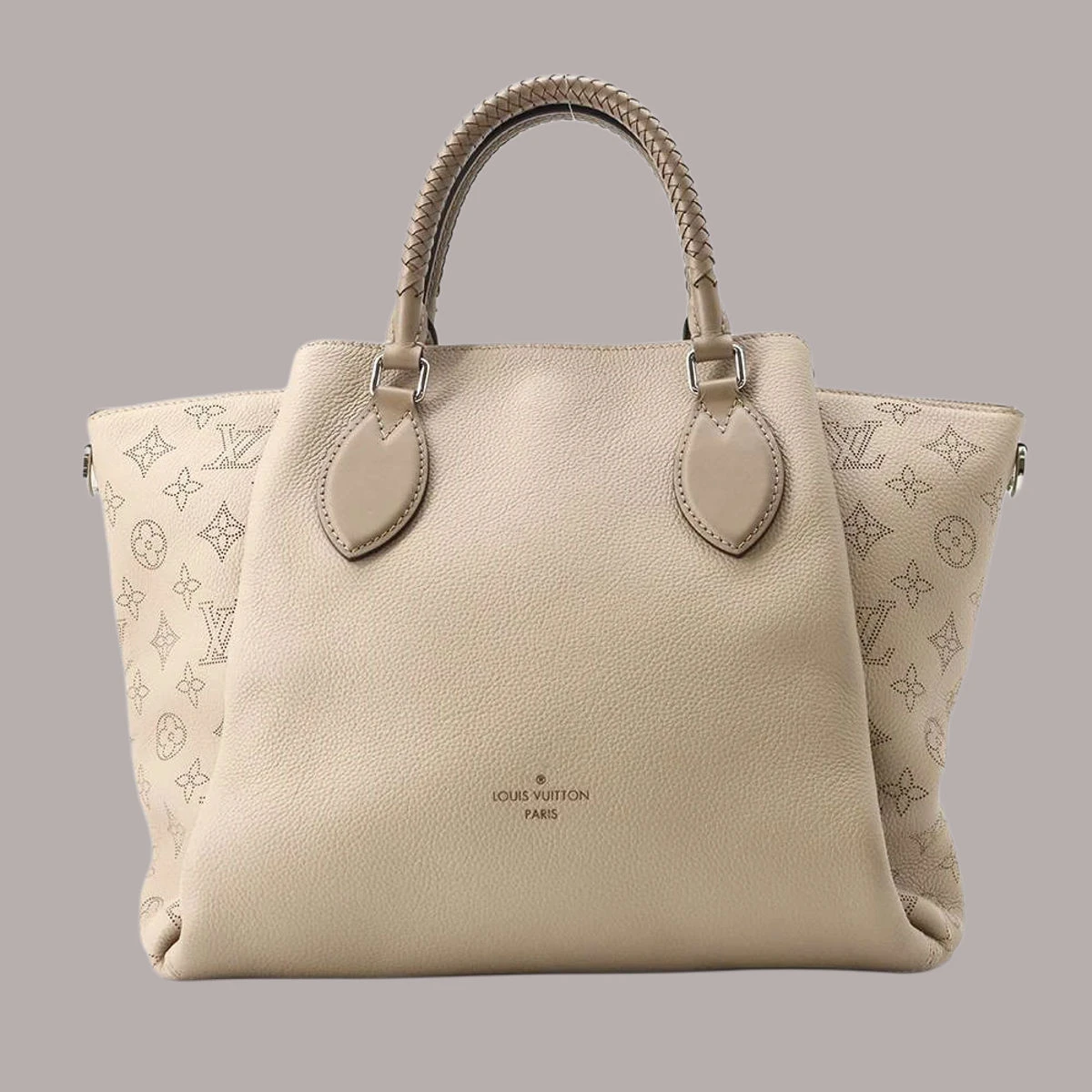
Authenticity is crucial for brands such as Louis Vuitton bags, Chanel bags, and Hermès bags, because any form of negligible deviation will have an impact on their credibility and price.
Higher-tier brands face:
Stricter inspection
Loss of tolerance towards undocumented repair.
Swift rejection in case of noncongruity of details.

Platform behavior reinforces hierarchy.
As resale platforms got bigger, hierarchy got standardized, not less.
Today:
Top brands on the platforms are subject to stricter condition levels.
Mid-tier brands are downgraded more quickly as inventory increases.
The world is a global village in regard to pricing expectations.
This decreases the local pricing flexibility and exposes the hierarchy more to the sellers.
How this plays out in Dubai specifically
According to the observed resale behavior at Value Creation UAE, the effects of hierarchy will be more evident in Dubai sooner because of:
High inventory turnover
Globally informed buyers
Good culture in terms of authentication.
This is the reason that documentation and clarity are more important than presentation in this market, a dynamic that is further discussed in why Dubai’s elite choose Value Creation and in this overview of where to sell luxury items.

The key takeaway for sellers
The hierarchy of the brands does not determine the sale of your bag.
It decides how forgiving your buyers are, how fast leverage transitions, and what will disappear first, price or demand.
High-end brands lose customers before they lose markets. Loss of buyers is experienced at lower brand levels before the price level stabilizes.
As soon as sellers learn what place their bag has in this hierarchy, and where the model has its place within the brand, the outcomes of the sales can be significantly more predictable.
This transparency protects the value of the brand before it fades away.
More in The Journal

French Handbag Brands
Tourists Selling Designer Bags Dubai Legal Rules
Birkin Bag Popularity by Country