Blog
Difference Between Giorgio Armani and Emporio Armani

By
Asiya
| SEO & Content Strategist, Value Creation
Published on 01 Jan, 2026 |
Last updated at 02 Jan, 2026
If you’re trying to understand the difference between Giorgio Armani and Emporio Armani, you’re not alone.
Even fashion-savvy buyers often assume the two sit at the same luxury level simply because they share the Armani name.
In the Dubai resale market, this confusion shows up more often than you might expect — particularly when sellers are surprised by how differently these two lines are valued once they leave the store.
This guide explains the difference clearly and practically, using the same criteria luxury buyers, resellers, and evaluators rely on every day: craftsmanship, materials, pricing logic, brand hierarchy, and real-world market behavior.

What Exactly Is Giorgio Armani?
Giorgio Armani is the flagship luxury line of the Armani fashion house. Launched in 1975, it represents the brand at its highest level — defined by restrained elegance, exceptional tailoring, and a deliberate avoidance of trend-driven design.
Within the broader Armani ecosystem, Giorgio Armani sits at the top of the hierarchy, similar to how other fashion houses structure their brands — something we explain in detail in our guide to the fashion brand luxury pyramid.
Why Giorgio Armani Is Considered True Luxury
Giorgio Armani pieces are produced in limited quantities, with a strong emphasis on craftsmanship rather than scale.
Fabrics such as fine wool, silk, and cashmere are carefully selected, and many garments involve hand-finished details that aren’t immediately obvious unless you look closely.
The design philosophy is intentionally timeless. These pieces aren’t created to follow seasonal trends — they’re designed to hold relevance over years, sometimes decades.
In practice, we see Giorgio Armani worn most often by executives, formal luxury buyers, and clients purchasing for events where fit and tailoring matter more than logo visibility.
What Is Emporio Armani?
Emporio Armani is a secondary line created to make the Armani aesthetic more accessible and modern. While it carries the brand’s design DNA, it operates under a very different production and pricing model.
How Emporio Armani Differs in the Real World
Emporio Armani relies on factory-based production to keep prices lower and availability wider. The designs are more trend-led, silhouettes are often sportier, and collections refresh more frequently.
For many buyers, Emporio Armani functions as an entry point into designer fashion — similar to how premium lines sit below true luxury brands featured in our overview of the Top 10 Luxury Bag Brands.
It delivers brand recognition and style flexibility, but not the same level of exclusivity or craftsmanship as Giorgio Armani.

Giorgio Armani vs Emporio Armani: A Clear Comparison
Once you know what to look for, the distinction becomes clear.
Despite sharing a name, these two lines are built for very different buyers.
Why People Commonly Confuse the Two
Most confusion comes down to branding. Both lines use neutral colour palettes, minimalist design language, and the Armani name carries strong recognition on its own.
Emporio Armani’s eagle logo further blurs the distinction, especially for buyers unfamiliar with how luxury houses structure their portfolios.
Without understanding brand hierarchy, it’s easy to assume everything under the Armani umbrella carries the same weight.
What surprises many sellers is that price alone doesn’t signal luxury level. We’ve seen Emporio Armani pieces priced higher than Giorgio Armani items simply because they were newer or trend-driven — yet the resale market consistently prioritizes craftsmanship and positioning over visibility.
This misunderstanding mirrors what we see across many fashion groups, a pattern explored further in our article on who owns luxury brands and how they’re structured.
Understanding the Armani Brand Structure
The Armani fashion house operates multiple lines, each targeting a specific market segment.
The Three Core Armani Lines
Giorgio Armani — High luxury, craftsmanship-driven
Emporio Armani — Accessible luxury, modern styling
Armani Exchange (A|X) — Casual, logo-focused, entry-level fashion
Armani Exchange sits at the lowest price point and focuses on streetwear and branding rather than tailoring or luxury materials.
Which Line Is Considered “Real Luxury”?
Only Giorgio Armani qualifies as true luxury.
It competes in the same category as houses like Saint Laurent, Dior, Chanel, and Valentino — brands frequently ranked among the world’s most prestigious, as seen in our Top 50 Luxury Bag Brands guide.
Emporio Armani, while premium, serves a different purpose. It emphasizes accessibility and style rather than rarity and artisanal production.

Who Should Choose Giorgio Armani?
Giorgio Armani is the right choice if you value:
Handcrafted tailoring
Timeless design over trends
Long-term wardrobe pieces
Formal or executive dressing
Craftsmanship as a priority
These pieces tend to attract a smaller but more committed audience, particularly in secondary markets.
Who Should Choose Emporio Armani?
Emporio Armani makes sense if you prefer:
Modern, youthful silhouettes
Mid-range luxury pricing
Everyday designer wear
Casual or sporty aesthetics
Brand recognition with flexibility
It remains especially popular among younger professionals and first-time luxury buyers.
Which Line Offers Better Value?
This is where many buyers pause — and where the answer becomes less obvious.
From a resale and longevity perspective, Giorgio Armani generally holds stronger positioning due to craftsmanship and limited production.
This mirrors patterns seen across other long-term luxury assets discussed in our guide to the best designer bags to invest in.
That said, Giorgio Armani isn’t always the better choice. If a piece rarely leaves the wardrobe, its craftsmanship matters less than comfort and usability — something Emporio Armani often delivers more effectively.
There isn’t a universally “correct” choice. Value depends less on labels and more on how a piece fits into someone’s life.
In Dubai’s resale market, this distinction becomes clear once condition, wear frequency, and buyer expectations are factored in.
How to Tell Them Apart When Shopping
When inspecting pieces in person, the differences are noticeable.
Giorgio Armani
Label reads “Giorgio Armani”
Minimalist typography
Structured, precise tailoring
Very high price range
Emporio Armani
Eagle logo often present
“Emporio Armani” or “EA” labeling
Sportier cuts
Lower price point
Once these markers are familiar, misidentification becomes unlikely.
Frequently Asked Questions
Is Emporio Armani considered luxury?
Emporio Armani is classified as accessible or premium luxury, not true high luxury.
Does Giorgio Armani hold better resale value?
Generally, yes. Craftsmanship and positioning give Giorgio Armani stronger long-term appeal.
Why are prices so different if the brand name is the same?
Because the two lines serve different markets — one prioritizes exclusivity and craftsmanship, the other accessibility and scale.

Final Thoughts
Although they share a name, Giorgio Armani and Emporio Armani are fundamentally different. One represents the highest expression of the brand’s luxury philosophy, while the other offers a more accessible interpretation of the same aesthetic.
Understanding this distinction helps buyers make more informed decisions — and prevents unrealistic expectations when evaluating value later on.
For anyone navigating luxury fashion thoughtfully, clarity matters more than labels.
More in The Journal
Pre Owned Luxury Gifts Dubai
Holy Trinity of Watches: Why These Three Brands
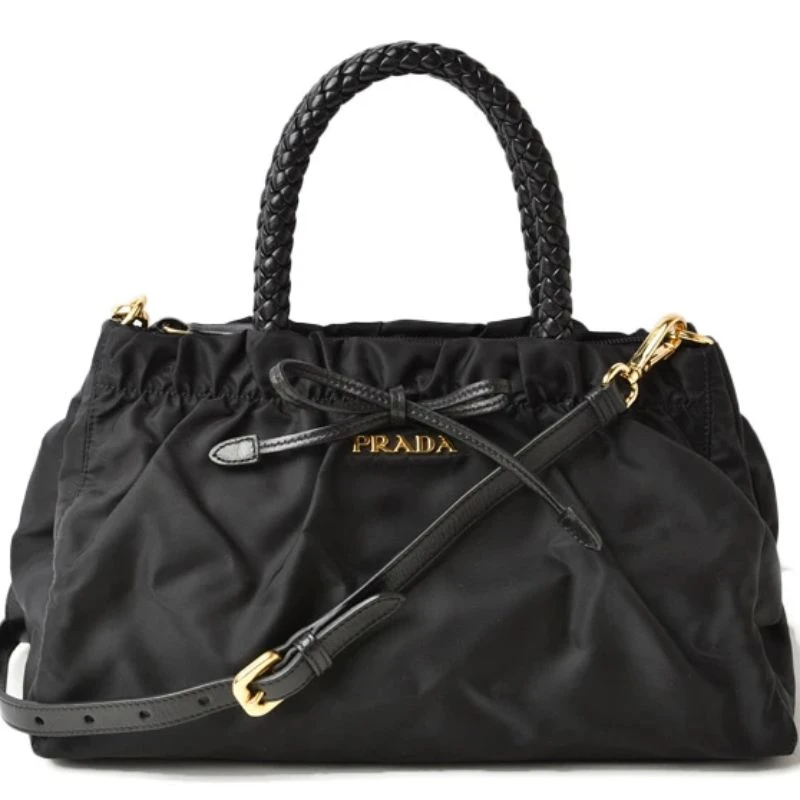
The Secret Behind Prada's Nylon Bags