Blog
How Condition Impacts Luxury Resale Pricing
By
Asiya
| SEO & Content Strategist, Value Creation
Published on 22 Jan, 2026 |
Last updated at 23 Jan, 2026
At Value Creation UAE, designer bag condition grading is the first aspect we will evaluate whenever it comes in.
Not because we're being picky.
Condition is one of the strongest determinants of the luxury resale pricing in Dubai.
Here’s what the majority of sellers don’t anticipate:
The gap between a bag in perfect condition and one that’s “gently used” goes up to 30-40% of the retail value, even in cases where the brand and model of the bag are the same.
The majority of the sellers tend to discover this when they are already in the process.

Where the Shock Happens
We witness this case constantly:
Two similar bags arrive on the same day.
Same brand. Same model. Same year.
One gets an offer close to retail. The other doesn't.
From the seller’s point of view:
Confusing. Frustrating. Doesn't make sense.
From the buyer's point of view:
Risk management.
Customers do not simply compare conditions, but they compare future uncertainty:
Uncertainty always gets priced.
Condition Is a Pricing Language, Not a Description
Here's what sellers miss:
Words such as “pristine” or “excellent” sound personal.
They are hard price ranges for buyers.
The Real Pricing Bands
In the case of high-demand models, Hermès, Chanel, and core Louis Vuitton, the price is set in predictable ways:
Every level of luxury handbag condition impacts 10-20 percentage points.
This isn't a penalty.
It’s how buyers price effort, time and resale friction.

How Buyers Translate "Minor Wear"
When sellers say, “Just minor wear, hardly perceptible”
Buyers hear: “Use leverage of negotiation + restoration costs + slower resale”
The Mental Calculation Occurs Immediately:
Bag Value = Base Price
Repair Risk Premium
Time-to-Resell Discount
Negotiation Buffer
This translation will take place before any price discussion has commenced.
Buyers aren’t being demanding.
They’re pricing the risk and future effort.
This is one of the most typical disconnects that we experience, and why many sellers end up being stuck later in the process.
Learn more in our guide: Common Mistakes to Avoid When Selling Designer Bags
The Wear That Costs You Most
Not all wear carries equal importance.
There are certain issues that cause instant repricing.
Most Penalized (Drops You a Full Tier):
These don’t just reduce value, but they also shrink the number of buyers.
✓ More Accepted (Same Tier):
Scratches on the hardware hairline.
Light corner rubbing
Subtle handle patina
Mellowing, no structural effects.
That is why two “used” bags may have differing prices of 20-30%.

Cosmetic vs Functional: The Line Buyers Draw
There’s a fundamental difference:
Cosmetic Wear
→ Lowers the price ceiling
→ Still saleable
→ Buyers expect a discount
Functional Damage
→ Shrinks the buyer pool
→ Delays sale until repairs
→ Creates price uncertainty
Functional examples of damage:
Broken or sticky zips
Weak handles or straps
Compromised stitching
Unstable hardware (locks, clasps, feet)
These problems don’t only make the value lower, it halts the whole process until the problems have been fixed or expectations adjusted.
Critical observation: restoration by the professional may be a solution, although, in many cases, it will only do more harm than good, for the poor or undocumented.
Full breakdown: Is It Worth Repairing a Designer Bag Before Selling?
Why Top Brands Are Most Condition-Sensitive
The stronger the brand, the less remission
The more renowned the model, the greater the standards. Let’s find out Hermès Chanel's resale value:
Hermès: Zero Tolerance for Imperfection
For Birkin and Kelly bags:
Pristine condition → Can be sold at or above retail
Excellent condition → Instantly loses 15–20%
Very good condition → reduces to 70–80% range
Why? This is due to the fact that buyers who pay high prices demand near perfect status.
The distinction becomes especially evident when comparing: Kelly vs Birkin Bags - Value & Investment Analysis
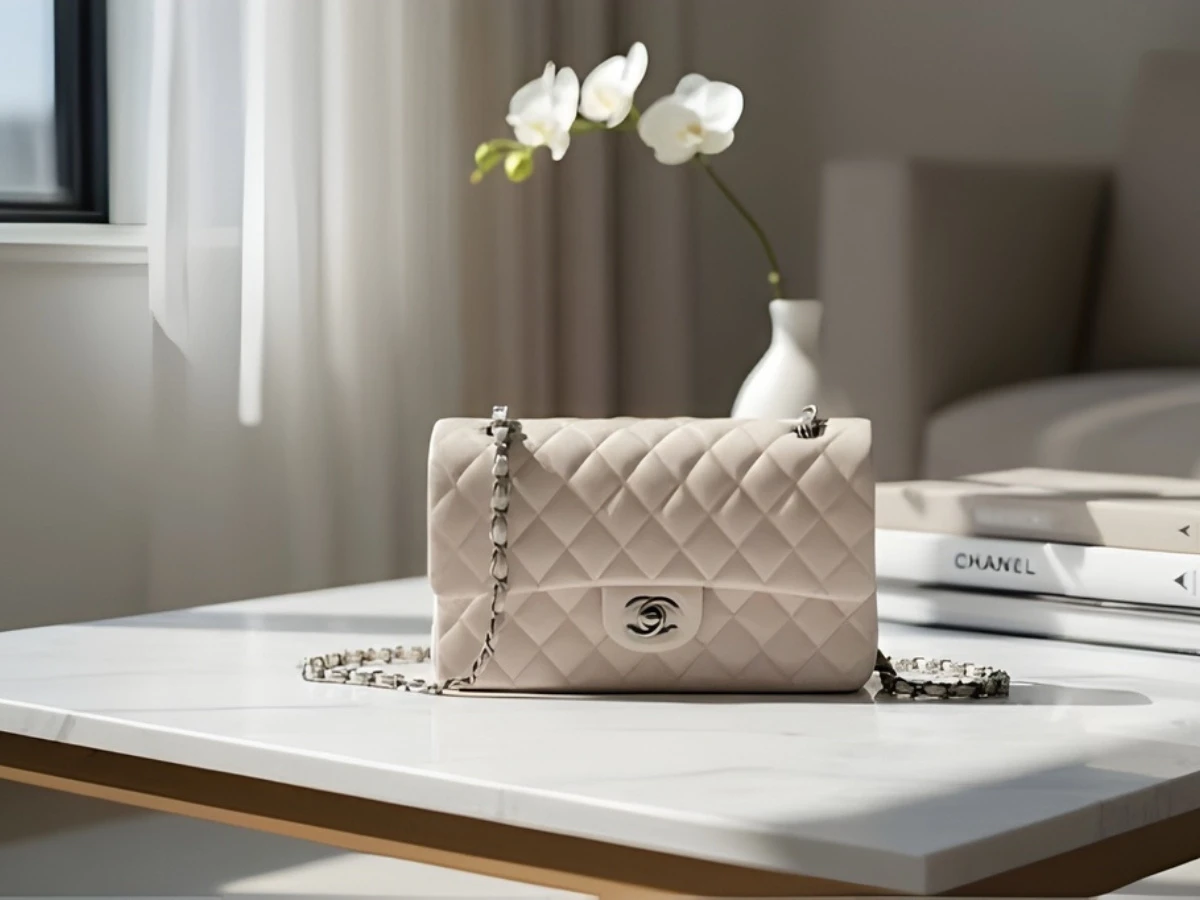
Chanel: Retail Increases Drive Condition Premiums
Traditional Flap pricing patterns:
The reason why the condition matters more now:
The regular hikes in retail prices make almost new items all the more appealing than worn stock.
Louis Vuitton: Volume Creates Competition
More production = less tolerance of faults.
Minor flaws have no noticeable impact because buyers have numerous replacements
This relationship is played out in the range: Louis Vuitton Resale Value - What Holds & What Doesn't

Investment-Grade vs Fashion-Grade: Different Rules
Investment Icons (Birkin, Kelly, Classic Flap)
Characteristics:
Lose value with wear
Maintain high demand anyway.
Price is conditioned, not desirability.
Long-term hold potential
Condition impact:
Moderate to high, but buyers are not bored.
Trend or Seasonal Pieces
Characteristics:
Lose value AND viewers as trends go.
Critical situations ensue instantaneously.
No immediate customer base to use ones.
Short resale window
Condition impact:
Severe freshness is everything
Luxury bags do not always make long-term holds.
See which pieces actually maintain value: Best Designer Bags to Invest In!
Packaging vs Condition: What Buyers Actually Forgive
Here’s what the majority of sellers do wrong when selling luxury bags in the UAE:
What Sellers Think:
"I have the full set—box, dust bag, receipt. That should make up for some wear."
What Actually Happens:
Buyers forgive:
Missing packaging.
No original receipt.
Replacement dust bag.
Buyers don't forgive:
Damaged corners
Structural issues
Hardware problems
The reality:
Full sets increase value within the condition dimension, but almost never grade a bag to a new level.
Same tier with packaging → +5–10%
Different tier unpackaged 1520%-
Packaging helps speed.
Condition determines price.
Condition Controls How Long You Wait
It is not just about price.
Condition directly affects time-to-sell.
Typical Timeline Patterns:
What we see constantly:
The sellers who have battered bags take a wait of 2-3 months to accept less money than what they had gotten during the first week.
Why? Leverage also changes with time.
Why Dubai Buyers Demand Higher Standards
The luxury resale business in Dubai works differently
Market Characteristics:
✓ Highly informed buyers
✓ High culture of authentication.
✓ International price comparison.
✓ Purchase behavior risky behaviour.
What This Means for Condition:
In Dubai, consumerism is an act of buying prestige and certainty.
Condition is not only crucial, but it is non-negotiable
Complete context: How the Sales of Designer Bags in Dubai are, in fact, run.
Full context: How Selling Designer Bags in Dubai Actually Works!
The Pricing Logic Buyers Actually Use
Behind all the offers, there is a systematic calculation:
The Buyer's Internal Formula:
STEP 1: Identify brand + model (establishes baseline)
↓
STEP 2: Apply condition factor (−15–20% per tier drop)
↓
STEP 3: Adjust for specific defects (varies by severity)
↓
STEP 4: Factor packaging + provenance (+5–10% if complete)
↓
STEP 5: Calculate realistic resale timeline
↓
FINAL OFFER
That’s why it isn't a cosmetic condition, but a mechanical condition.
Every flaw gets quantified.
All the uncertainties are priced.
Final Thought: What Condition Really Determines
Condition does not simply influence the price of a bag.
It controls:
Once sellers start to realise that condition is a pricing language buyers already speak fluently, resale will be a much more understandable phenomenon and much less exasperating in the process of designer bag authentication in Dubai.
More in The Journal

How to Spot a Fake Birkin Bag
How Luxury Bag Resale Really Works in Dubai
How to Tell If a Louis Vuitton Bag Is Real